TAKING CARE OF YOUR COLOSTOMY

Maintaining the Skin

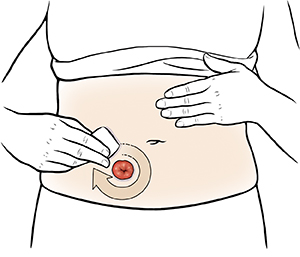
The skin surrounding your stoma must always be a similar color as the rest of your abdomen’s skin. However, ostomy outflow might irritate or irritate this area. Here are several tips to maintain your skin in fine condition:
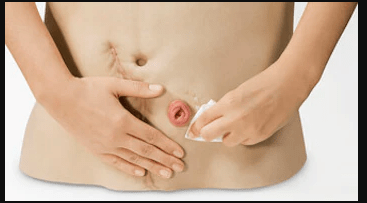
  • Utilize a bag that is the best suited and has a skin barrier hole. An insufficiently sized opening might cut or damage the stoma, causing it to enlarge. If the aperture is too big, the outflow may reach the skin and harm it. Replace the bag in this situations and change it with the one that matches properly
  • To prevent leakage and skin burn, replace the bag frequently. It’s critical to stick to a consistent pouch-changing routine. Do not even wait for leakage or other symptoms of a condition, such as itchiness or burn, to appear.
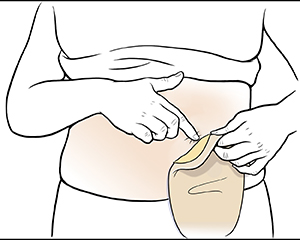
  • Take the bag far away from the body with caution, and only replace it every day unless there is an issue. Instead of forcing the skin barrier far from the body, simply press it aside.
  • Water should be used to clean the surface where you have stoma. When applying the skin barrier or bag, make sure the skin is totally dry.
  • Keep an eye out for infections or reactions to the skin or bag materials. Because you might grow sensitive with time, they can emerge after weeks or months of utilizing a substance. When your skin is only affected where the bag comes into contact with it, you could use a bag cover or another bag type. If you need help, a stoma doctor can help. Bag covers can be purchased from supply companies or made yourself. You may need to experiment with different items to discover how they affect your skin.

Irrigation of the Colostomy

Colostomy irrigation is a technique for moving feces through the colon that may be used with particular kinds of colostomies. You can decide to maintain your colostomy with irrigation if you’ve got a descending or sigmoid colostomy. Irrigation is the act of introducing fluid in the colon via stoma to aid with bowel movement regulation.

Irrigation for colostomy has been used for a long time, although it is no longer as common as it once was. This is most likely due to advancements in pouch systems.

It is up to you whether or not to irrigate, but you really should consult a doctor to care about it before making a choice. You’ll learn how and when to irrigate the colostomy from your doctor or ostomy caregiver. Based on the life experience of the individual instructing you, the method may change slightly from what we explain here.
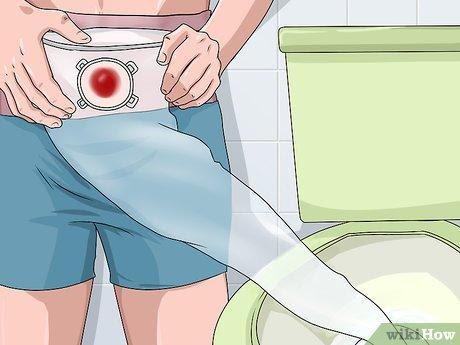
If you choose to irrigate, make sure you follow these guidelines:

When Should You Irrigate

Select a time during the day, when you will have the washroom for yourself. Irrigation is maybe more effective if performed right after you feed or a warm or hot beverage. Also, irrigate at around the same moment of the day that you used to move your feces prior to colostomy.

How to Irrigate
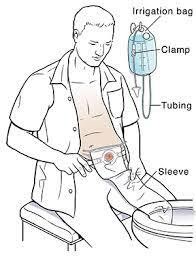
  • Prepare all of your irrigation materials.
  • Seal the tube and fill the irrigating container with 1000cc of warm water. Never attach the tubing to faucet straight.
  • When you’re sitting, hold the container so that the base of it is equal to your shoulder.
  • Sit on a toilet or maybe next to toilet on a seat. Straighten your back.
  • Place the low end of the irrigation sleeve in the toilet and attach it to your skin barrier.
  • Wet or grease the cone’s edge using a liquid fluid.
  • By releasing the tubing clip and allowing a tiny quantity of water to trickle into the sleeve, bubbles can be removed.
  • Again attach the tube and insert the cone when it will get in your stoma. 
  • Cause the liquid to gradually run into your intestines by carefully opening the clip on the tube. The liquid must be introduced gradually. To decrease or halt the flow of water, close the clamp or compress the tube. Dripping 1000cc of water takes around 5 minutes.
  • Now after all the liquid has flowed in, keep the cone in position for around 10 seconds.
  • Discard the cone when the liquid has flowed in. Over the following 45 minutes or more, the output will flow in bursts.
  • While most of the stool has dropped out, use a tail closing clamp to secure the base of the irrigating sleeve to the top. This gives you the freedom to move anywhere, wash, or do whatever you want to while passing the time.
  • When you’re finished, double-check the wafer closure and replace your regular bag. Wash and let the bag, cone, and sleeve dry.

Can You Eat Normal Food With Your Stoma

There is not a lot of information known about ostomy from the general public. In fact, it may surprise you to know that most people don’t even know what an ostomy is. That’s why I have been seeing a lot of questions going around right now about what an ostomy is. Some people are really concerned about their friends or loved ones needing to get an ostomy and then never again be able to enjoy their favorite foods. Other people seem to think that having a stoma makes you half robot, or turns you into a government cyborg. Personally, I can say that these are all very offensive conversations, and I wish that people would stop caring and speculating so much about what an ostomy is. I also know that a lot of people with ostomies out there are unsure of where to go next, especially if they have been recently recovering from surgery. One of the questions that most people have after they get out of surgery is about when they can start eating normal food again. Well, I am here to tell you a thing or two about eating with a stoma, so hopefully I can clear up any confusion for you and make your life a whole lot easier.

So the first thing I’ll say is that eating is going to be a slow process while you are recovering from your surgery. You probably will not find yourself having much of an appetite for the first few days because your body is in rough shape. After all, having an ostomy is a pretty big deal, and it makes sense that your body is going to need a lot of time to recuperate and figure out what the heck is going on.

Furthermore, it is important while you are recovering from surgery, even if you are not feeling that hungry. Eating bland foods is definitely the best option, and that is something that many doctors, bursese, and other medical personnel will tell you as you are getting ready to discharge from the hospital. Sticking to bland foods for a good while is important because your body and stoma is in great need of healing. Once things start to get back on track for you, however, you can start to slowly reintroduce foods back into your life and hopefully start feeling like a normal person again. After all, your ostomy does not define you and neither does your stoma. You are still very much a normal person, even with your weird body composition! 

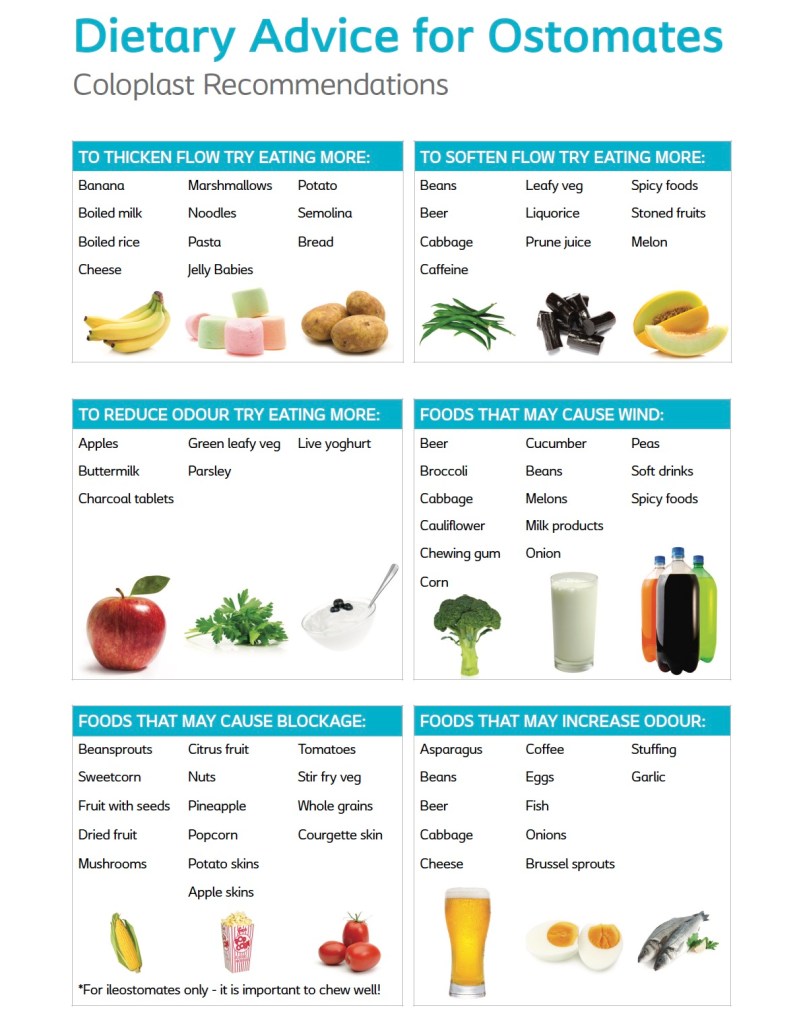
I know from personal experience that many people worry about not being able to eat their favorite foods after they have an ostomy. Well, the good news is that, for the most part, you can eat just about anything you did before getting an ostomy. The bad news, however, is that not every food is going to sit right with you anymore, and it may take some time to figure out what is good for you and your stoma and is agreeable to your body. After all, it is true that some foods can have a negative effect on your stoma by clogging it up or causing gas. Both of these things are very annoying to deal with, and I would not wish them onto my worst enemy. 

Keeping Your Stoma Clean

Keeping your stoma clean is no easy task. I mean, why would it be? With literal waste constantly running through your body and out your stoma into your ostomy bag, it’s pretty reasonable to assume that keeping your stoma clean would be hard. However, I can say from personal experience that it is really important to keep your stoma clean. Having an infection or some sort of complication in that area can be really harmful to your body and overall well being, and you don’t want to end up in the hospital or something just because you haven’t been taking proper care of your stoma. I have personally had a stoma for over 5 years now, and I know that sometimes it can be hard to find the motivation to give my stoma the proper care it needs to fight off infection or to stay looking fly. However, I have become pretty experienced with my stoma and with different types of ostomy supplies, so I feel that I am knowledgeable enough to give you some advice on how to keep your stoma clean and safe. So with that being said, here are some tips that I have for you to keep your stoma in the clear. Please note that I am not a medical professional by any means. 

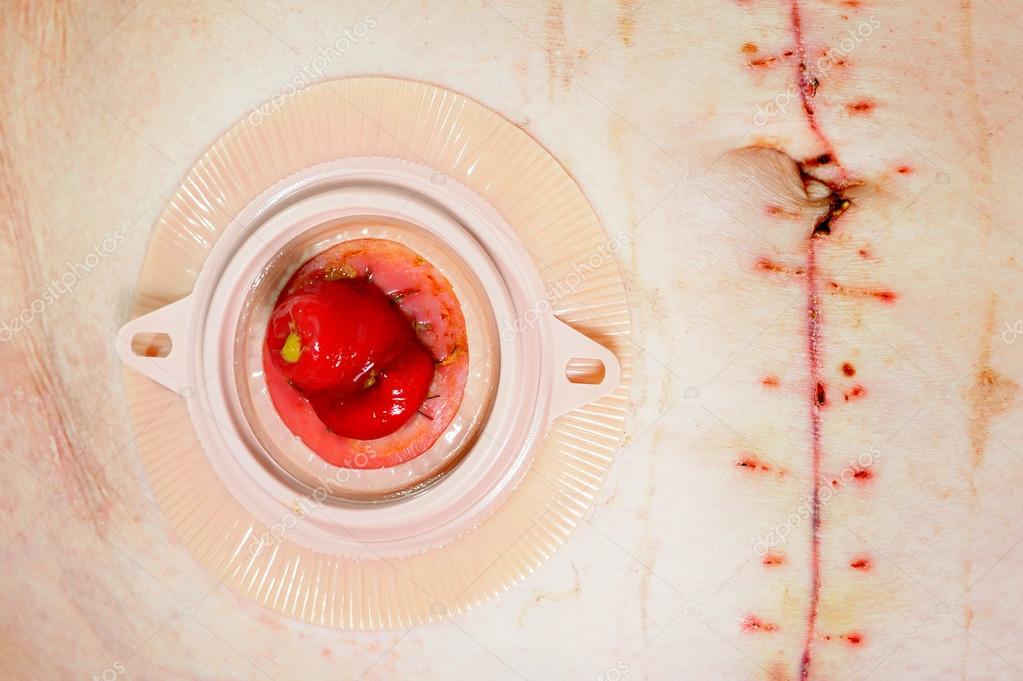
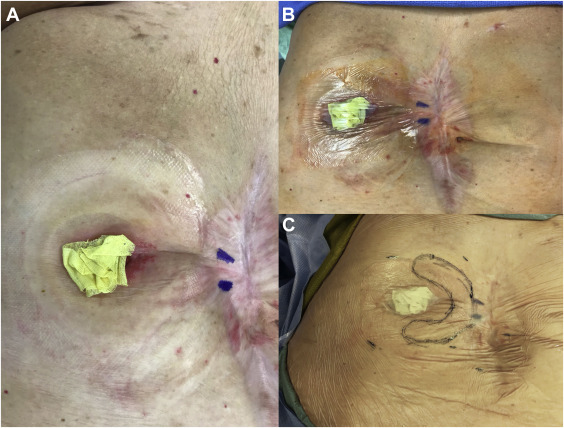
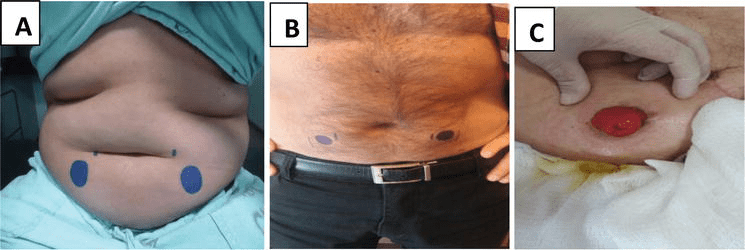
The biggest part of keeping your stoma clean is to check it for any physical damage or changes on the regular. As a safe bet, check your stoma and the area around it each time you find yourself changing your ostomy pouch. This could mean that you are checking your stoma up to 3 or 4 times a day, which is definitely beneficial in keeping everything running smoothly down there. A lot of people are unsure what their stoma should look like after surgery compared to later down the road. Well, I can tell you that after surgery your stoma may be a slightly different shape or color than what it normally will be. After you’ve healed completely, your stoma should look shiny or moist, and be a pinkish red type of color. I like to think of the color of ground beef and compare it to how my stoma looks. Also be sure to stand in front of a mirror or use a handheld mirror so you can see every part of the stoma. The skin around your stoma should be smooth with no redness or swelling as well!

As for cleaning your stoma, you are not going to need to look too far for the necessary cleaning supplies. Honestly, all you really need is some warm water and a means of drying. Water does not harm the stoma at all, and it is necessary to clean your stoma after each ostomy bag change to ensure you are staying clean down there. Once you have properly washed your stoma with warm water, make sure to thoroughly dry your stoma with a soft washcloth. Don’t get too rough with it either – you mostly just need to gently pat it to dry it out.

Your stoma may bleed a little bit when you are cleaning it, but that’s normal because your stoma actually has blood vessels on it. Perhaps the worst part about cleaning your stoma is the fact that urine will continue to flow out as you clean it, so just make sure to have some paper towels or something ready to mop up all that urine you sicko.

How 2020 Changed My Stoma Habits

Let’s first start off by saying that 2020 was a crazy year for everybody. With the pandemic rampaging across the nation, our economics in disarray, and many people divided over politics, safety regulations, and just about everything under the sun, 2020 was the craziest year that I’ve been alive. In addition to all this, we were stuck at home for such a long period of time. Never before have I had to stay in my house alone for so long! It was truly a weird experience. Especially for someone like me, who has a stoma, being at home by myself got quite old and monotonous after a while. You might think that someone with a stoma like myself would prefer to stay at home anyways since I would have an easier time hiding my stinking, swelling, repulsive ostomy pouch. Well, a few years ago or so I would have agreed with you, because I was much more insecure about my ostomy pouch back then. Back when I first got my ostomy, I found myself very worried about going out in public. I was scared that my ostomy pouch would randomly start leaking (which by the way rarely happens), or that people would notice my pouch hanging around and start staring or asking me about it.

Well for the most part, I think that these fears are pretty unrealistic. I have come to realize that most people don’t really give a crap about if you have a stoma or not, as long as you’re not stinking up the entire place or something like that. But since the COVId regulations got so strict, I found myself working from home in my office for many months. This meant that I pretty much didn’t have to leave my house for anything at all.

I had groceries delivered to my front porch, all my home goods and necessities delivered from Amazon, and just about anything else I needed I could find online. I was also kind of welcoming to the idea of staying home at first, because I know that I am at a bit higher risk when it comes to having complications with COVID. Believe what you want about COVID, but I am well aware on it’s effect on people like me whose bodies are quite a bit weaker and more susceptible to damage than most. I would venture out to say that I felt like COVID was specifically out to get me of all people. Maybe this sort of paranoia was just a symptom of spending too much time alone in my house though.

Now reading this, you might be wondering where the heck I was getting my ostomy supplies this whole time. Well, I am happy to inform you that there are actually a lot of places online that I can go to order my ostomy supplies. In fact, this pandemic has allowed me to see that ordering ostomy supplies online is probably the way to go. There are a lot more options available than if I were to go in stores somewhere, and the prices are almost unbeatable. Especially nowadays, where shipping has gotten so fast and most times there is no shipping fee added on to the price tag, I don’t think I will go back to shopping for ostomy supplies in a store even after the pandemic has ended (if it ever does).

Get The Right Ostomy Pouch For You

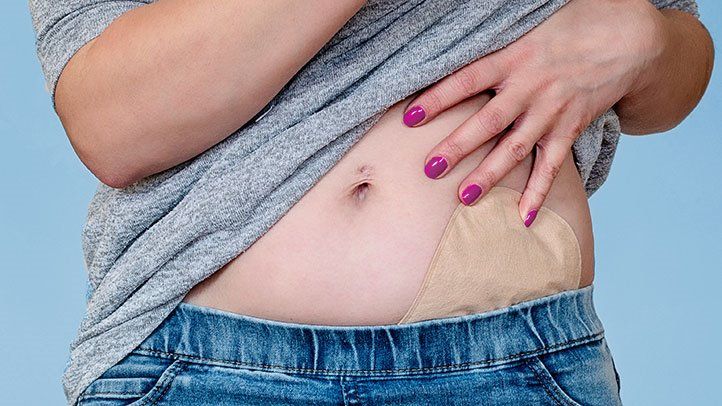
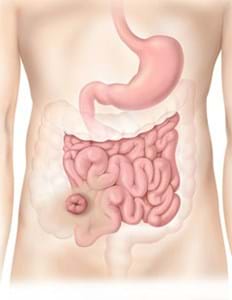
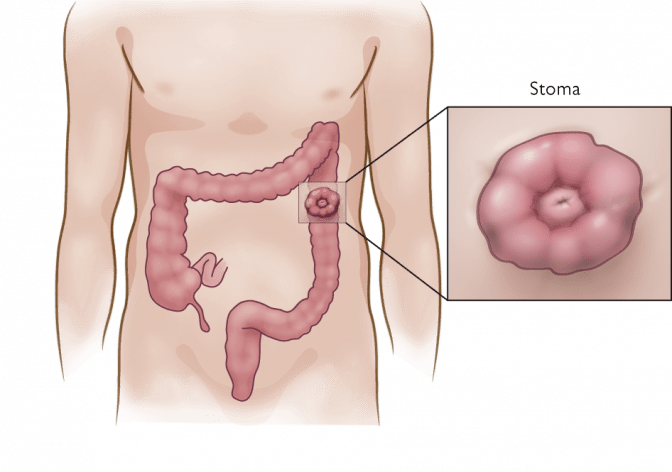
You might be surprised to hear that there is actually a difference between certain types of ostomy pouches, depending on the one you use. If you don’t know what an ostomy pouch is, I will briefly explain it before I get on with the rest of the article. An ostomy pouch is basically a medical bag that attaches to an individual’s stoma. A stoma is a medically created hole in the side of a person’s abdomen where the waste, like urine, feces, and gas, is outputted. People wear ostomy pouches in order to catch the output that is coming out of their stoma. Without the ostomy pouch, the stoma would simply leak output and get super gross stuff all over the body, clothing, and whatever is around in the area. You can clearly see now how important an ostomy pouch is, especially if you are experiencing a lot of output at any given time. Well, like I was saying earlier, there are actually a few different types of ostomy pouches available in the market today. With all the medical advances we have made in recent years in this country, it makes sense that there are a few different options available for people who need to purchase ostomy pouches. There is some disparity of pricing between the type of pouch, brand, and size of the pouch, so that may be something that you want to keep in mind if you are paying for ostomy pouches out of pocket (not all of them are covered by insurances).

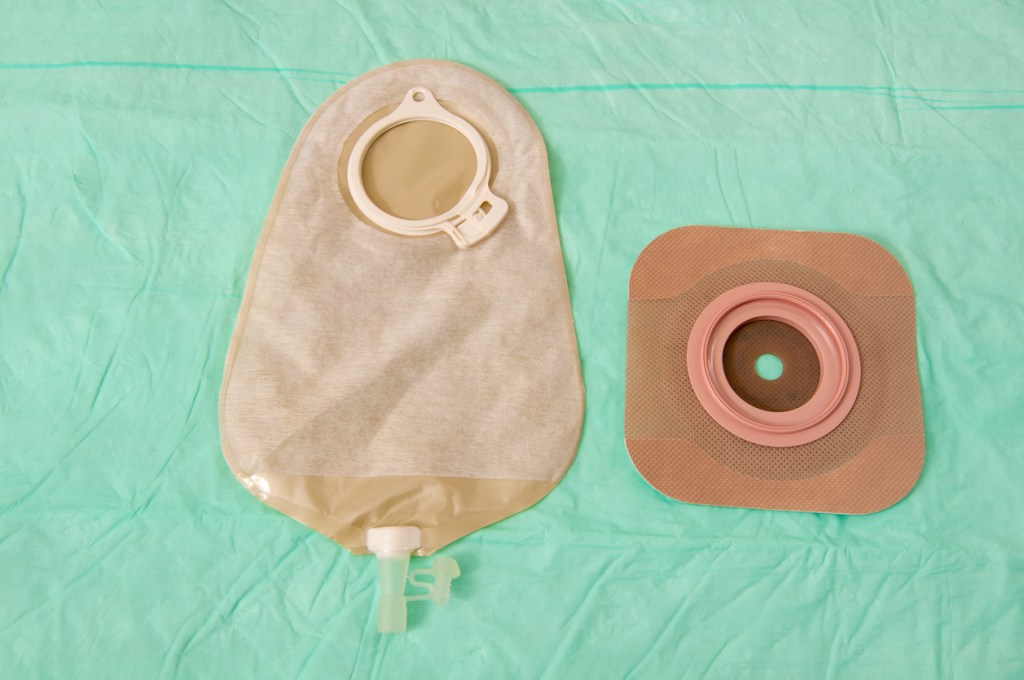
To start off, let’s talk about the difference between one-piece ostomy pouch systems and two-piece ostomy pouch systems. They are both kind of true to their name, so you can basically get the gist of what each one is simply by looking at what they are called.

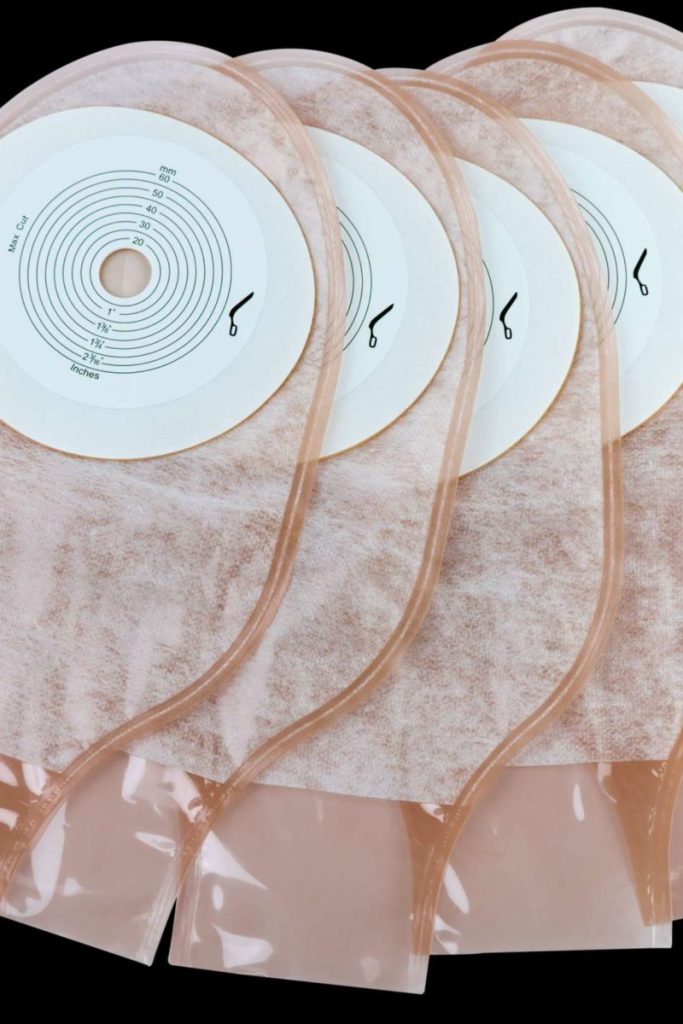
However, I want to talk about why each one is important and when they should be used. A one-piece system, like the name suggests, is where the ostomy pouch and the skin barrier are all attached together in one complete package; hence the name, one-piece pouch. This pouch system is only good for one time use and cannot usually be emptied like other pouches. It is important to note that, when changing a one-piece ostomy pouch, you have to remove the entire skin barrier from your stoma in order to empty the pouch, which can be a huge problem for some people. It can be hard to get a good seal on your skin barrier, especially if you are new to the world of ostomy. That’s why some people steer clear of one-piece ostomy pouch systems if at all possible. 

Two-piece systems, on the other hand, involve much less work when it comes to changing the ostomy pouch itself. Since the skin barrier and the pouch are not actually attached permanently, they can be taken apart down into two pieces. What this means is that when you are going to change the ostomy pouch out, you don’t actually need to remove the skin barrier piece and can instead just change the pouch. This is a lot easier for changing ostomy pouches on the fly and leaves you less likely to have to go through the whole ordeal of trying to seal the skin barrier again. Thanks for reading, and I hope you learned something from this article!

Can You Still Be Normal With An Ostomy

So even though you should probably be less rude when asking about an ostomy, yes you can still be normal even after surgery. There are a lot of misconceptions behind ostomies and what they really are. Most people assume that once you have an ostomy, your life is completely over. This is just not true at all, and it makes me sad to think that there are actually people out there who believe that stuff. First of all, getting an ostomy does not mean that you are going to be a completely different person. In fact, from what I have seen in others and from my own personal experience, people with ostomies can pretty much lead normal lives when everything is said and done. Granted, there are a few complications that come from the concept of not being able to poop or urinate like most people do, but that is kind of obvious and I’m sure you knew that already. So whether you have no idea what an ostomy is and you are just trying to educate yourself, or you are a new ostomate and looking for some tips and tricks, hopefully this article will provide you with some helpful advice.

The first thing you need to know is that you can only use the ostomy pouch system that was given to you by the doctors after surgery. I am here to tell you straight away that this is not the case. In fact, your body may even begin to change quite a bit more as your surgery heals and you get more accustomed to your stoma. In many cases, it takes some trial and error to find the ostomy pouch system that is right for you. The important thing to remember here is that not all ostomy products are going to work the same way for you that they might for someone else. When it comes to buying ostomy supplies and gear, you never really know what you are going to get until you try it. Of course, it helps to find some reviews of different products that you might be looking at.

Another myth that surrounds ostomy is that your stoma should not change at all anytime after surgery. Well I am here to tell you that this is just completely untrue. I can’t believe that there are people walking around who actually believe this. After surgery, your stoma may look a lot more red and puffy simply because it is irritated. I mean, how would you feel if you got torn from your home and forced to live outside for the rest of your life? You would probably be really confused and reasonably upset or angry. We cannot blame the stoma for simply writhing against it’s unnatural existence. So if in the days following your surgery you experience a shift of colors and appearance, as well as size in general.

Another myth is that if you have an ostomy your family and friends or significant other will not love you the same. I am here to debunk this myth as well, because that is totally not true. I got an ostomy, and my wife left me and took the children but it was only because of my alcohol abuse and had nothing to do with my stoma or anything like that.

Can You Eat After An Ostomy

If you have recently had an ostomy, I am sure you have a lot of different questions on your mind at the moment. How will this ostomy affect the rest of my life? What kinds of things will I not be able to do going forward? How will my daily life be impacted? Well, hopefully I can help answer a few questions about what it is like to have an ostomy in a more long term scenario and ease some of the anxiety you are probably feeling right now. A big question that a lot of people have after getting an ostomy is this – how will my eating habits be affected? Well this is a logical question to ask, since an ostomy greatly changes the way you are going to be expelling food waste from your body. If you haven’t already, then I highly suggest that you have some long conversations with your doctor and primary care physician before looking for advice from someone like me. Though I have spent a lot of time with a stoma, I would not say that I am an expert – rather, I just have my own personal experience with which I feel like I might be able to add some useful advice here and there.

The first thing to keep in mind is that you will be pretty much out of commission for a bit after surgery. Your body will be super sore and sensitive, and you will probably just want to be getting a lot of rest. After all, your entire natural process of dispelling waste has been completely changed and you’ve been all cut open all over the place. It makes sense that your body may be unhappy for a little bit! But that is okay, because you will recover just fine. As you are recovering from surgery at home, it is a good time to start getting used to eating again.

For the first few weeks, you’ll probably just want to eat really bland foods that are easy on your digestive system. I personally like rice a lot, because it is cheap, easy to make, easy on the stomach, and very yummy! You can buy a massive bag of rice for relatively cheap and it will last you a good long while. Foods like that will be nice on your sensitive digestive system while you are in the process of recovering from surgery. Take my word from it, you will want to be as careful as possible!

Once you have begun to recover a bit here and there, it might be time to start slowly introducing new foods to your body and your diet. Of course, you will want to make sure that you get the go-ahead from your doctors and all other medical personnel before you really start to delve into the world of new foods. However, once you are all medically cleared to do so, go ahead and start eating some of the things you used to enjoy! The reason you will want to reintroduce foods slowly is because you want to make sure you can assess how your body responds to each new food item. Trying different foods one at a time will help you figure out what you should and should not eat going forward. 

Having An Ostomy During Covid

This past year has been absolutely crazy and we all know it. In fact, I would say that this year was even crazier for me than when I had my ostomy back in 2005. That’s right, I have a stoma and I’m proud of it. It has taken me a long time to feel comfortable in my own skin again after getting an ostomy, but I now know that having a stoma is nothing to be ashamed of. In fact, I have totally gotten used to having a stoma and it is a normal part of my life now. All that to say, this year of the pandemic has been truly insane. Our economy is in ruins, the housing market is in chaos, and people are losing their jobs like crazy. I was originally not in much fear of COVID, because I thought it was mostly just a lot of false hype and fear mongering that was being thrown around it in the name of politics. However, after seeing the death rates and overcrowded hospitals that became the new normal due to COVID, I started to take it very seriously.

What was even more scary is that I am considered to be immune-compromised due to having an ostomy, so I had to be extremely cautious in everything I did. I immediately quarantined myself and refused to go into work anymore. At first management was upset about this, but once people started to realize how serious COVID was for people like me who have an extensive medical history, things became a lot more understanding on their end. Besides, almost everyone of my coworkers were instructed to work at home anyways, so after a while it was no big deal for me to also be at home. I was really afraid of catching the virus because of my ostomy and knew that having COVID could cause serious complications for my stoma and all that. I was not about to go to hospital any time soon as well, so I knew that I had to really take good care of my stoma in order to not have any reason to make a trip to the doctors or to the hospital. 

One way I did this was by ensuring all the ostomy gear I had on hand was of the best quality. Since I’ve had a stoma for so long now, I already know where to get all the best and highest quality ostomy gear that I could ever need. One change I had to make to my life, however, was by ordering everything online. This was a bit of a shift for my everyday purchases, but also for buying my ostomy gear and supplies. I had gotten used to buying my ostomy supplies at a local medical supplies warehouse that had a great selection of products for me to use. The problem was that I did not want to keep going in person to buy from this place anymore. I solved this problem by simply spending a lot of time researching ostomy gear that I could buy online.

Again, I wanted to avoid any and all complications that could occur with my stoma, so I was really careful to properly clean, change, and care for my stoma whenever possible. Some might have even called me paranoid, but I don’t see it like that. 

What is Cecal Volvus 

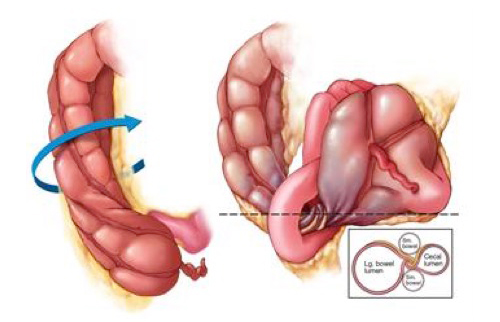
This is a malrotation of the intestines, near the lower portion of the bowel and typically will involve the last part of the ileum, the cecum, and the colon. 

It’s not as common on most people as some kinds of intestinal torsion, but it can obstruct the bowel in some cases. Sometimes, it can cause acute torsion, and acute blockage does require you to get emergency surgery.

The Symptoms 

The symptoms commonly seen include: 

  • Pain in the abdomen 
  • Distension in your abdomen 
  • Inability to have gas or bowel movements
  • Chronic diarrhea or constipation 
  • Vomiting of some kinds 

During fetal development, in the last stage, the intestines form, and it’s anchored to the wall of the abdomen through the mesentery.  The intestines then use peristalsis to digest food, but that connection keeps them from moving in a way that hurts the bowel. 

But in some instances and people, that lower part of your cecum won’t attach firmly or period during the development of the fetus, causing it to move a lot, and it may eventually be found during surgeries of some kind. Some people don’t’ even experience the symptoms listed above. 

Some may have conditions tat predispose them to the cecum moving, such as pregnancy, abdominal surgery, or infections. High-fiber diets also do play a part. The symptoms usually are recurrent, intermittent, or in some cases chronic, and normally are acute or serious bowel obstruction eventually. Those may develop this without symptoms though in some cases. 

The problem with this, is that doctors normally don’t see this happening a lot, especially compared to other kinds of torsion of the intestines, so it may be delayed or missed until it’s to late. Usually, if it’s twisted, the portion continues to move, so everything moves through, but then when it gets to the part that’s twisted, the person begins to experience those symptoms. If you notice your stools are tarry and black, this also may be a sign. This can actually lead to life-threatening problems and infection, especially since when this twists, the blood flow is cut off, resulting in malabsorption, gangrene, sepsis, and eventually necrosis, causing no function of the bowels. 

How it’s diagnosed 

Normally, this is seen in adults between 30 and 60 years old, and usually, they have symptoms similar to appendicitis, IBS, or IBD, or just stomach flu. Usually, it may resolve, which causes diagnosis to take longer. Usually, if you go to the ER, they’ll take an X-ray of the bowels, and they may administer an enema. At this point, if you’ve had symptoms before, they may look for damage. 

Typically, the most common ways to test it include: 

  • Blood tests for blood cell counts 
  • Metabolic panel analysis 
  • A colonoscopy or sigmoidoscopy to look at the lower bowels. 

How it’s treated 

Surgery is pretty much one of the things you have to get, but sometimes they may try other things. The problem is though is that this can recur time after time, and it does cause repeated episodes too. The most common surgeries usually include either: 

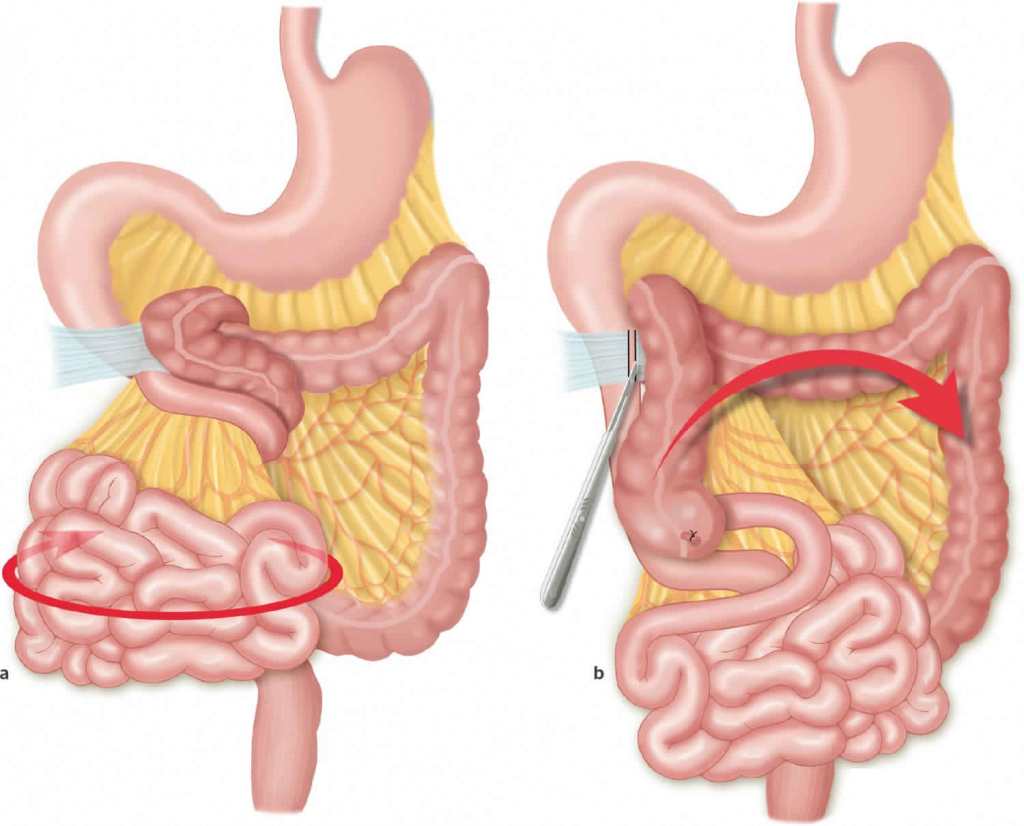
A cecoplexy which is where the intestine isn’t attached correctly, where it might be attached or reattached to your abdominal wall. This of course, only works if it’s still working. If it’s become necrotic and not working, they may remove it, they may resection the colon, forming a stoma within the abdomen, and then it allows for this to pass through into what’s called an ostomy bag. This can be a serious condition, but also it can potentially save lives too. 

Can You Still Workout With An Ostomy??

If you are like me, then you may be wondering if it is possible to do any sort of working out or exercise after you have had a stoma put in. I was actually wondering this same thing myself for a long time before I had surgery. I was worried that I would not be able to pursue my old passions and continue doing the things I love. Working out has been a regular part of my life for a long time and it is something that has become deeply ingrained into my daily routine. I used to spend a lot of time running in the mornings before work, because this was just a great time to be outdoors and enjoy the cool, fresh morning air. I also love to lift weights in the weight room in the evenings after dinner. I used to go to my local gym, but I got sick of the place being crowded and having to share equipment with too many people. Since then I have been slowly building a home gym, and I can say that it is looking really good now. I have just about everything I need to have a good workout session at home without the hassle of going to a public gym.

Going into my surgery to have a stoma put in, I was very worried that I would not be able to exercise the same way that I had before. In all honesty, the doctors were trying to tell me a lot of different things and I just could not shake the feeling that my ostomy was going to put me out of commission entirely when it comes to working out. I can say with great relief that, and after quite a long recovery period, I am back to working out and exercising almost everyday in a similar way to how I used to. Obviously, doing anything with an ostomy bag attached to you is going to look a little bit different, but I have found ways to adjust and adapt my workouts and way of life in general to accommodate the addition of my stoma. Finding the confidence to start working out and exercising on a regular basis again was hard, and it took me some time to figure out how to approach getting back in the gym.

Luckily I had invested a lot of time and money into building a home gym, so I did not have to worry about feeling insecure or embarrassed by being around people with my ostomy bag in place. Honestly, the biggest thing I was worried about regarding weight lifting was developing a hernia or something. People with ostomies are much more likely to develop hernias, which can be caused by excessive lifting or strain.

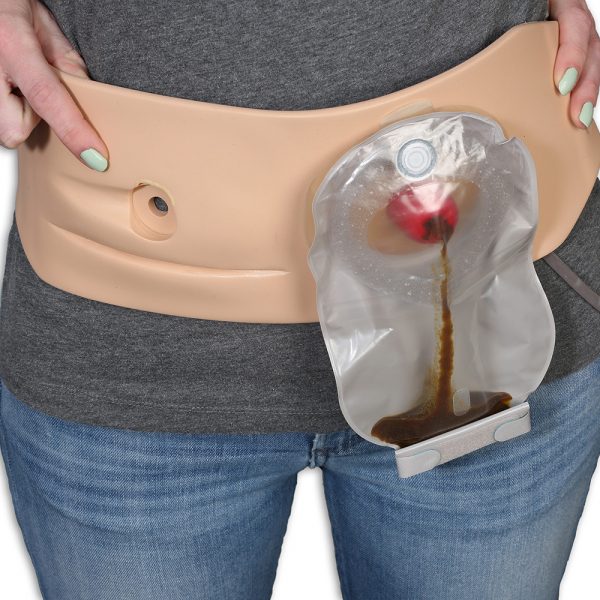
Spout-style pouch for ileostomies with a barrier seal attachment

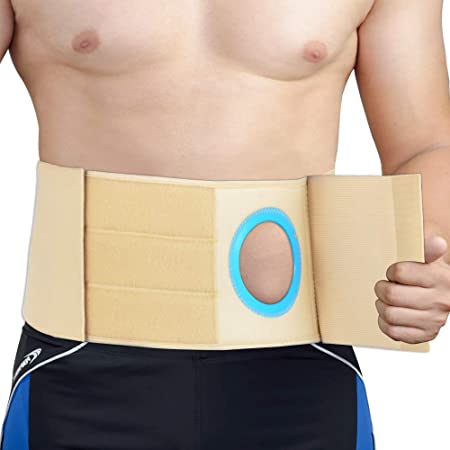
I was worried about this because I did not want to create any more complications for myself and my stoma. I started lifting lighter weights to get used to the motions and the forms again, and then worked my way up as I felt more comfortable. I also have started running again, and I don’t let my ostomy stop me from putting in the miles. I have found specially made ostomy bags that fit tighter to your body and are optimal for running and working out.