This is a malrotation of the intestines, near the lower portion of the bowel and typically will involve the last part of the ileum, the cecum, and the colon.
It’s not as common on most people as some kinds of intestinal torsion, but it can obstruct the bowel in some cases. Sometimes, it can cause acute torsion, and acute blockage does require you to get emergency surgery.
The Symptoms
The symptoms commonly seen include:
- Pain in the abdomen
- Distension in your abdomen
- Inability to have gas or bowel movements
- Chronic diarrhea or constipation
- Vomiting of some kinds
During fetal development, in the last stage, the intestines form, and it’s anchored to the wall of the abdomen through the mesentery. The intestines then use peristalsis to digest food, but that connection keeps them from moving in a way that hurts the bowel.
But in some instances and people, that lower part of your cecum won’t attach firmly or period during the development of the fetus, causing it to move a lot, and it may eventually be found during surgeries of some kind. Some people don’t’ even experience the symptoms listed above.
Some may have conditions tat predispose them to the cecum moving, such as pregnancy, abdominal surgery, or infections. High-fiber diets also do play a part. The symptoms usually are recurrent, intermittent, or in some cases chronic, and normally are acute or serious bowel obstruction eventually. Those may develop this without symptoms though in some cases.
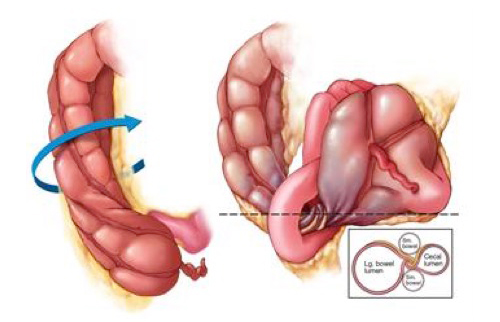
The problem with this, is that doctors normally don’t see this happening a lot, especially compared to other kinds of torsion of the intestines, so it may be delayed or missed until it’s to late. Usually, if it’s twisted, the portion continues to move, so everything moves through, but then when it gets to the part that’s twisted, the person begins to experience those symptoms. If you notice your stools are tarry and black, this also may be a sign. This can actually lead to life-threatening problems and infection, especially since when this twists, the blood flow is cut off, resulting in malabsorption, gangrene, sepsis, and eventually necrosis, causing no function of the bowels.
How it’s diagnosed
Normally, this is seen in adults between 30 and 60 years old, and usually, they have symptoms similar to appendicitis, IBS, or IBD, or just stomach flu. Usually, it may resolve, which causes diagnosis to take longer. Usually, if you go to the ER, they’ll take an X-ray of the bowels, and they may administer an enema. At this point, if you’ve had symptoms before, they may look for damage.
Typically, the most common ways to test it include:
- Blood tests for blood cell counts
- Metabolic panel analysis
- A colonoscopy or sigmoidoscopy to look at the lower bowels.
How it’s treated
Surgery is pretty much one of the things you have to get, but sometimes they may try other things. The problem is though is that this can recur time after time, and it does cause repeated episodes too. The most common surgeries usually include either:
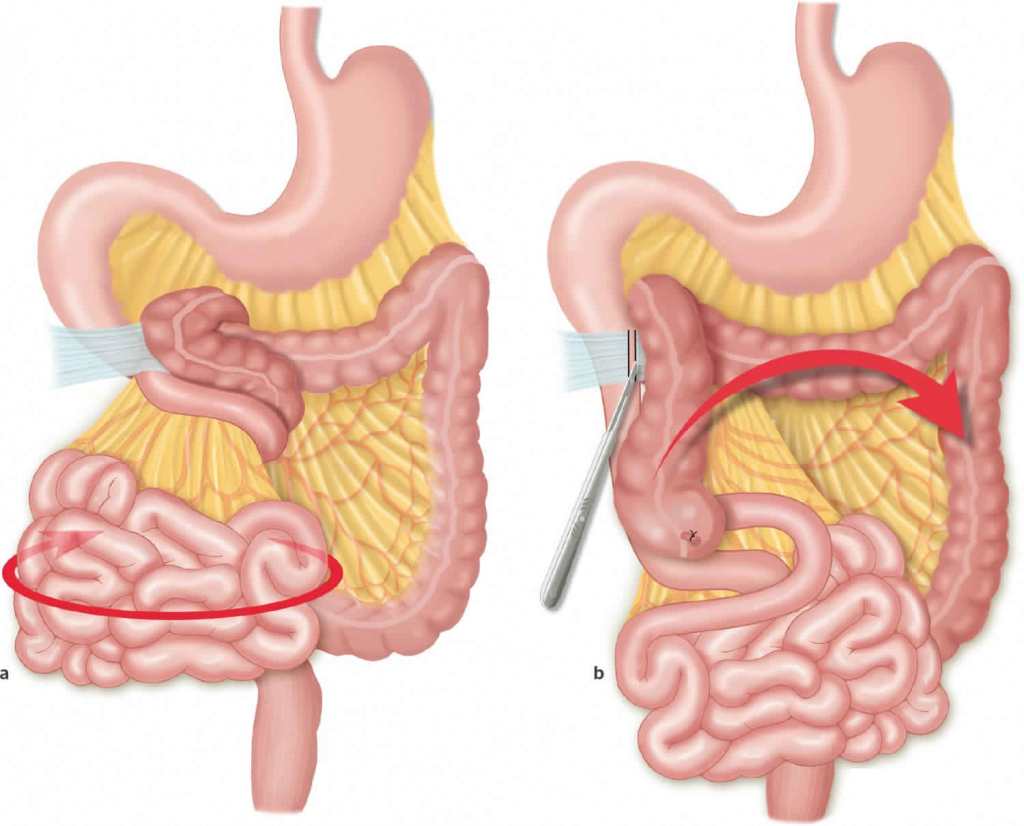
A cecoplexy which is where the intestine isn’t attached correctly, where it might be attached or reattached to your abdominal wall. This of course, only works if it’s still working. If it’s become necrotic and not working, they may remove it, they may resection the colon, forming a stoma within the abdomen, and then it allows for this to pass through into what’s called an ostomy bag. This can be a serious condition, but also it can potentially save lives too.
 Living with a stoma